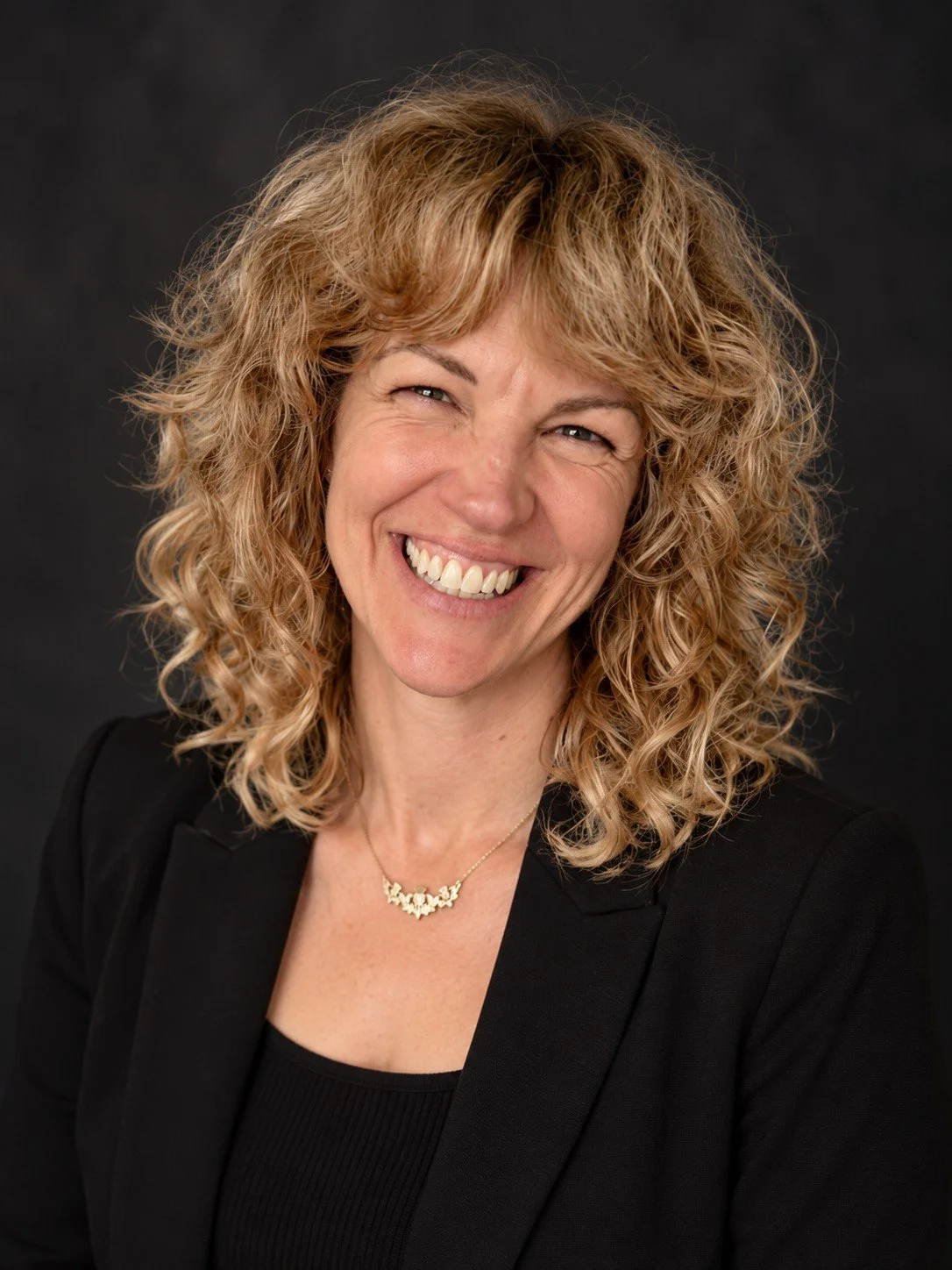
Dylan Keith
Psychological Therapist
PGCert Psychological Therapies (CBT)
PGDip Psychological Therapies (CBT)
Dylan is a psychological therapist who works with individuals experiencing various psychological difficulties including anxiety, depression, OCD, and low self-esteem. He has a first class honours degree in Psychology from the University of Dundee where he conducted research on how people with anxiety and depression manage their emotions. Dylan also has a Postgraduate Certificate and Diploma in Psychological Therapies from the University of Edinburgh, and continues to attend further training to stay up to date with the most current research and approaches.
Dylan uses a collaborative, person-centred Cognitive Behavioural Therapy (CBT) approach to create an environment for his clients to identify and understand the interaction between their thoughts, behaviour, and emotions. He has also completed training in Dialectical Behaviour Therapy for Complex Post-Traumatic Stress Disorder (DBT-CPTSD), an evidence-based treatment for people who have suffered chronic trauma such as abuse or neglect.
Dylan has a particular interest in the mind-body connection and helping clients understand how emotional and physical symptoms can interact. He has completed training in Pain Reprocessing Therapy, a neuroscience-informed approach for treating chronic pain by targeting the brain’s role in maintaining it.
With a focus on providing his clients with the appropriate strategies, he aims to help them make positive and sustainable changes.

Erica Brady
Psychological Therapist
Trainee Counselling Psychologist
DCounsPsy (in progress), MSc Psychological Studies, BA Psychology
Erica is a down-to-earth Trainee Counselling Psychologist who works with adults and young persons aged 16 and over. She has experience in person-centred and experiential counselling and a particular interest in neurodiversity-affirming approaches, making therapy accessible for people who think and experience the world differently.
Her style is plain-speaking and relational. Erica listens carefully, is honest about what she notices, and avoids jargon, within a relationship where you feel heard and understood. Therapy with her is collaborative and works at a pace that suits you. Alongside this, she is developing her practice in cognitive behavioural therapy (CBT), which offers practical ways of working with difficult thoughts, feelings and patterns.
Erica holds a BA in Psychology (summa cum laude) from Spalding University, USA, and an MSc in Psychological Studies with Merit from the University of Glasgow. She is a Graduate Member of the British Psychological Society.
She is currently training towards a Professional Doctorate in Counselling Psychology at Glasgow Caledonian University and works under regular clinical supervision as part of her training.
Erica works on Wednesdays from our Sciennes office.